
Games Development Level 3 Applied
Course Overview
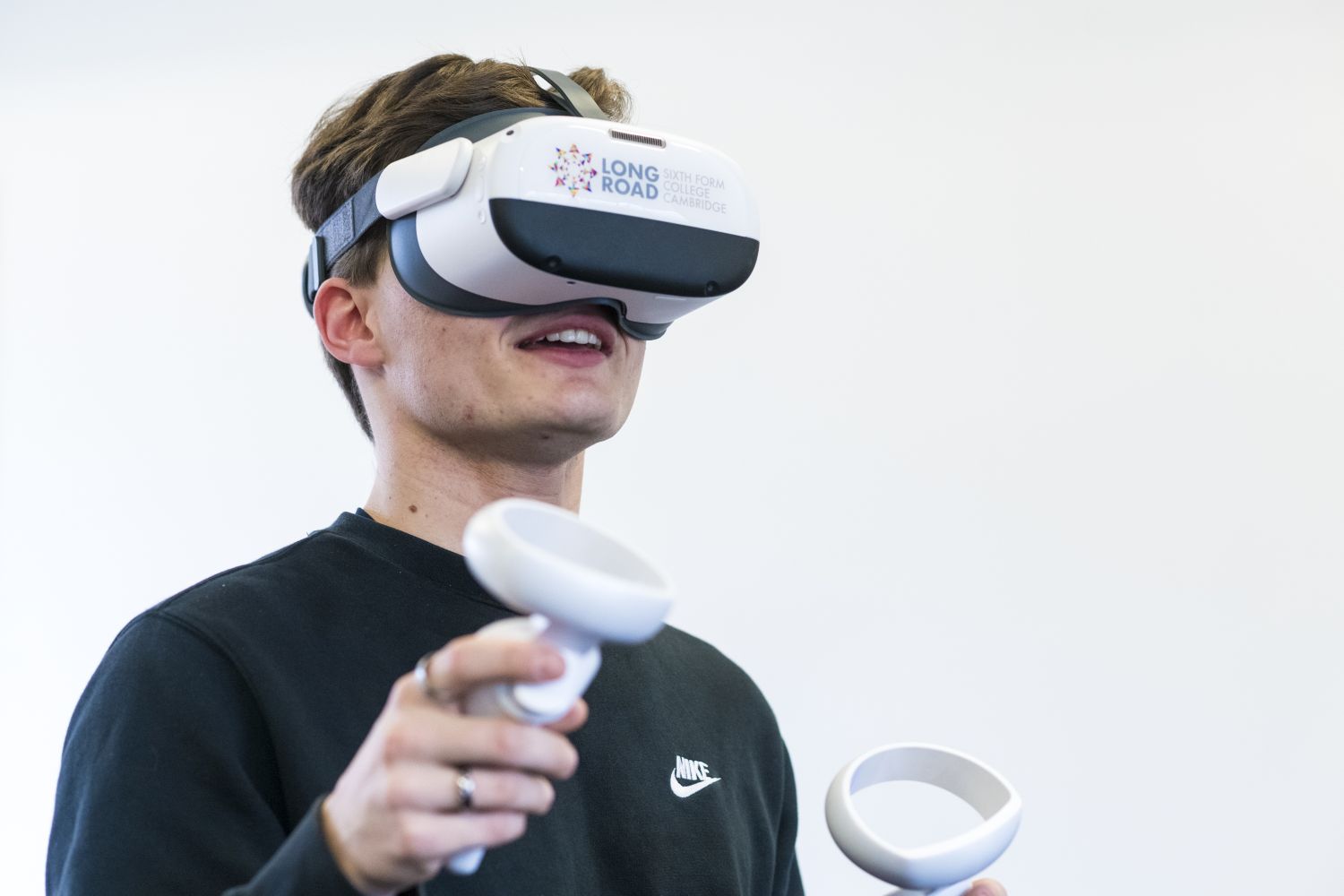
The Games Development course focusses on the development and creation of computer games content. The course is very creatively open. We explore design, animation, development theory and various software packages. Using the latest technologies such as VR, AR and Photogrammetry, you will learn all the skills necessary to become a creative media developer.
This course is available to study as an Extended Diploma (180-credit course equivalent to 3 A Levels).
From day one, you will explore the core principles of games development, gaining the essential skills required to enter this fast-growing industry. With outstanding industry connections and inspiring, professionally written project briefs, you will work in ways that reflect real studio environments. Our career-focused curriculum supports you in discovering the pathway that suits your strengths — whether that’s design, programming, or production — helping you build a portfolio that stands out.
While Games Development is at the heart of the course, you will also investigate how games technologies are transforming other industries, including film-making, animation, law enforcement, courtroom simulation, architecture, and medicine. This broader perspective opens up an exciting range of progression opportunities and future careers.
The course is practical and hands-on, underpinned by essential theory that deepens your understanding of how and why interactive experiences work. At the end of each year, you will take ownership of your learning through a self-directed project, allowing you to specialise and refine your creative identity.
With strong university links and clear progression routes, we actively prepare you for higher education as well as employment. Through academic guidance, portfolio development, and industry insight, you will leave confident, capable, and ready to progress into university or directly into the creative industries.
Year 1 Modules
- Creating Retro 2D Games
- Creating Sounds for Games
- Creating Art for Games
- Creating a 3D Game
- New and Emerging Technologies – VR
- Final Major Project
Year 2 Modules
- Refining your game-making technique
- Forming your speciality
- Working to a Client Brief
- Exploring the Games Skills as a wider market
- Year 2 Final Major Project
Key Info
Minimum Entry Requirements
- Five GCSEs at Grade 4 including:
-
- Grade 4 in GCSE English Language or GCSE English Literature
- Merit in Level 2 Media if taken
-
Assessment
- 100% Coursework
- Exam Board: UAL
Why choose this course?
You should choose this course if you are passionate about Games, Animation and VR. We offer trips to big games events, such as EGX and MCM. We are also planning trips to see retro games. We have various speakers come in from industry – in the past, we had Frontier.
On this course, you make use of the college facilities, which include industry standard, PCs, professional filming and sound equipment and VR headsets. We also enter various Games Development competitions and Games Jams.
Skills you'll gain
You will gain a foundation for all core Games Development skills, practical and theoretical.
These practical skills will be taught on the course:
- 2D/3D Game Design
- 2D/3D Games Development
- 2D/3D Animation(Maya and Animate)
- 3D Modelling Software(Maya)
- Games Development Engines(GoDot and Unreal)
- Games Texturing
- Creating sounds for video games
- Games skills for other industries
- VR Games Development, through Unreal Engine
These theoretical skills will be taught on the course:
- Games Design Theory and Planning
- Communication
- Careers (in Games Development and other industries – including Indie and Freelance)
- Making a product for an audience
- Working to a brief
- Organisation
- Research and analysis
After Long Road
After Long Road, there are many avenues open to you. We have had students go to university to study Games Design, Games Development, Animation, VFX and Digital Media. Furthermore, we aim to equip students with the knowledge and skills to start creating games as soon as you finish here – so you can try the indie scene!
With our focus on games and non-games-related industries, we hope you can take an interest in differing areas of technology.